Zero-Waste Electronics
Zero-waste electronics at Martian Micro is not a sustainability slogan. It is a system-level design discipline focused on reuse, modularity and long-term operation instead of replacement.
What Zero-Waste Electronics Means
Zero-waste electronics means designing hardware systems that do not become waste by default.
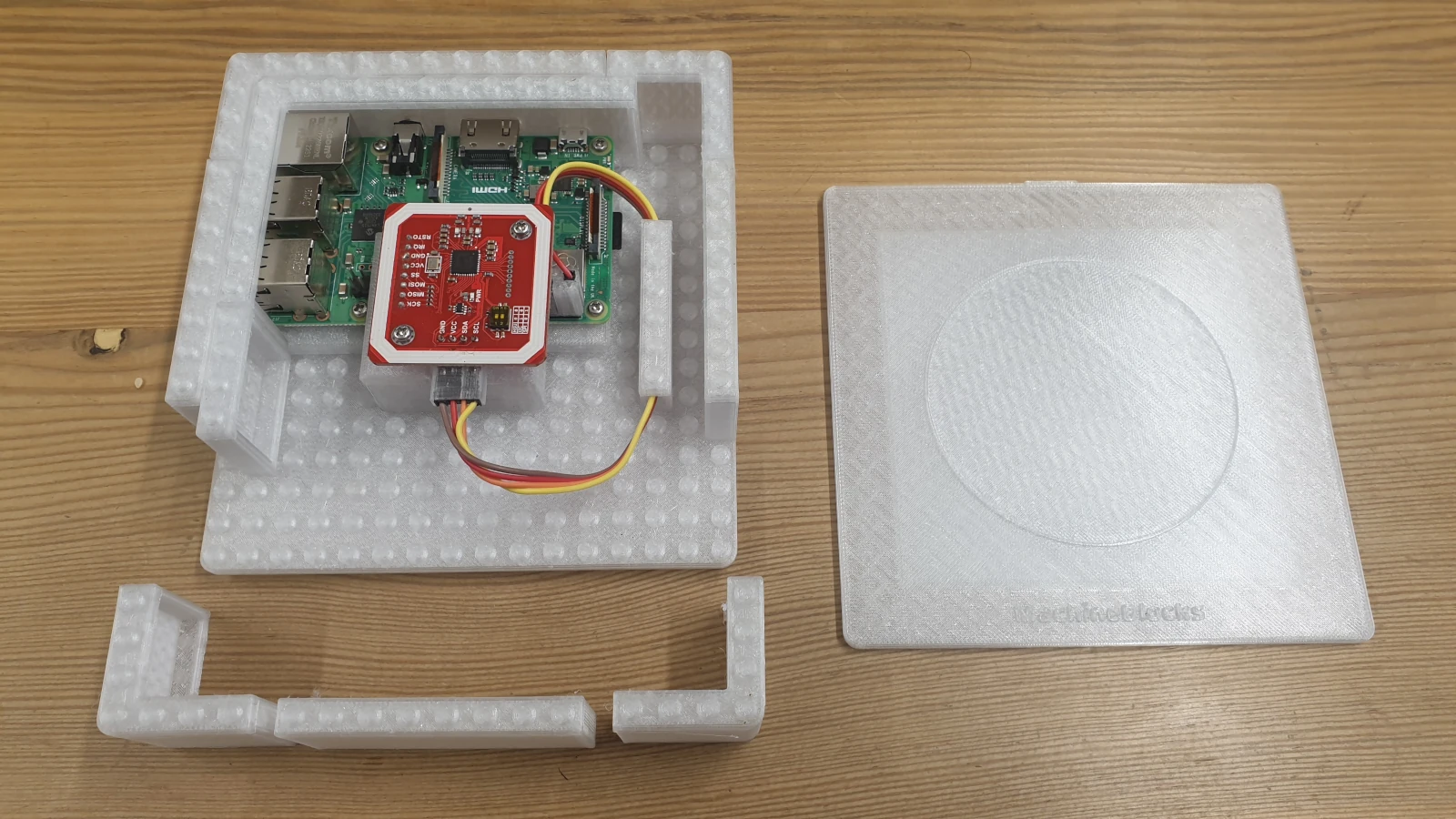
Devices are built to be opened, modified, repaired and repurposed.
Disposal is treated as a design failure.
Waste Is a Design Problem
Electronic waste is not caused by users. It is caused by design decisions.
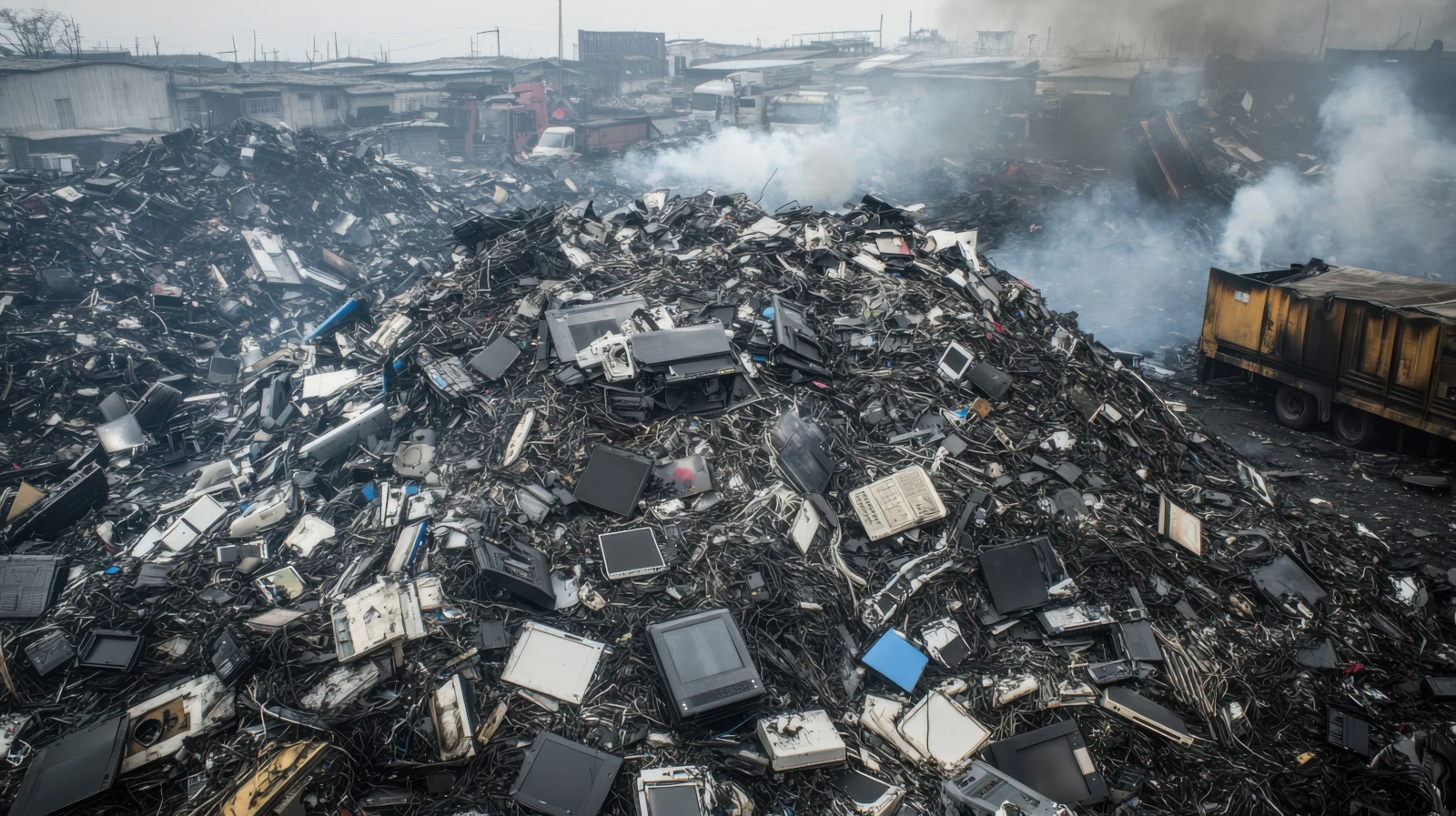
Permanent bonding, hidden components and non-standard parts prevent reuse.
Martian Micro treats waste as a solvable engineering constraint.
Modularity as the Core Principle
All Martian Micro electronics are modular by default.

Compute, sensors, power and interfaces are separate units.
A device is an assembly, not a sealed product.
Reusable Electronics Instead of Disposable Products
Electronic components are treated as long-term assets.
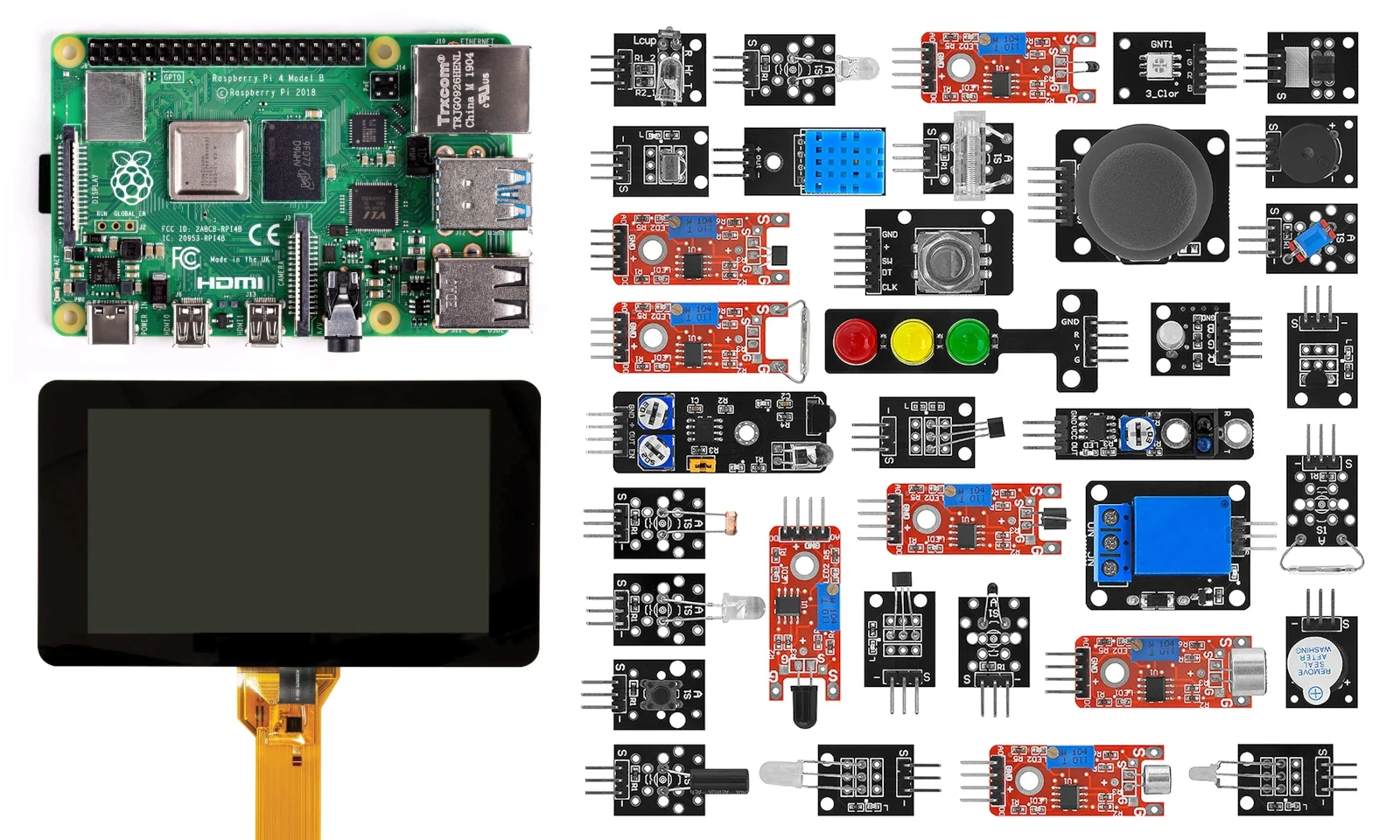
Boards, sensors and compute units are reused across generations of devices.
Function changes without replacing hardware.
Closed Material Cycles
Zero-waste electronics require closed material cycles.

Housings are melted and reprinted.
Electronics are removed, cleaned and reassigned.
Cradle to Cradle Thinking
Martian Micro follows cradle-to-cradle principles.

Every component is designed with its next use in mind.
Nothing reaches an end state — only a transition.
Zero Waste Beyond Materials
Zero waste also applies to cognition and interaction.
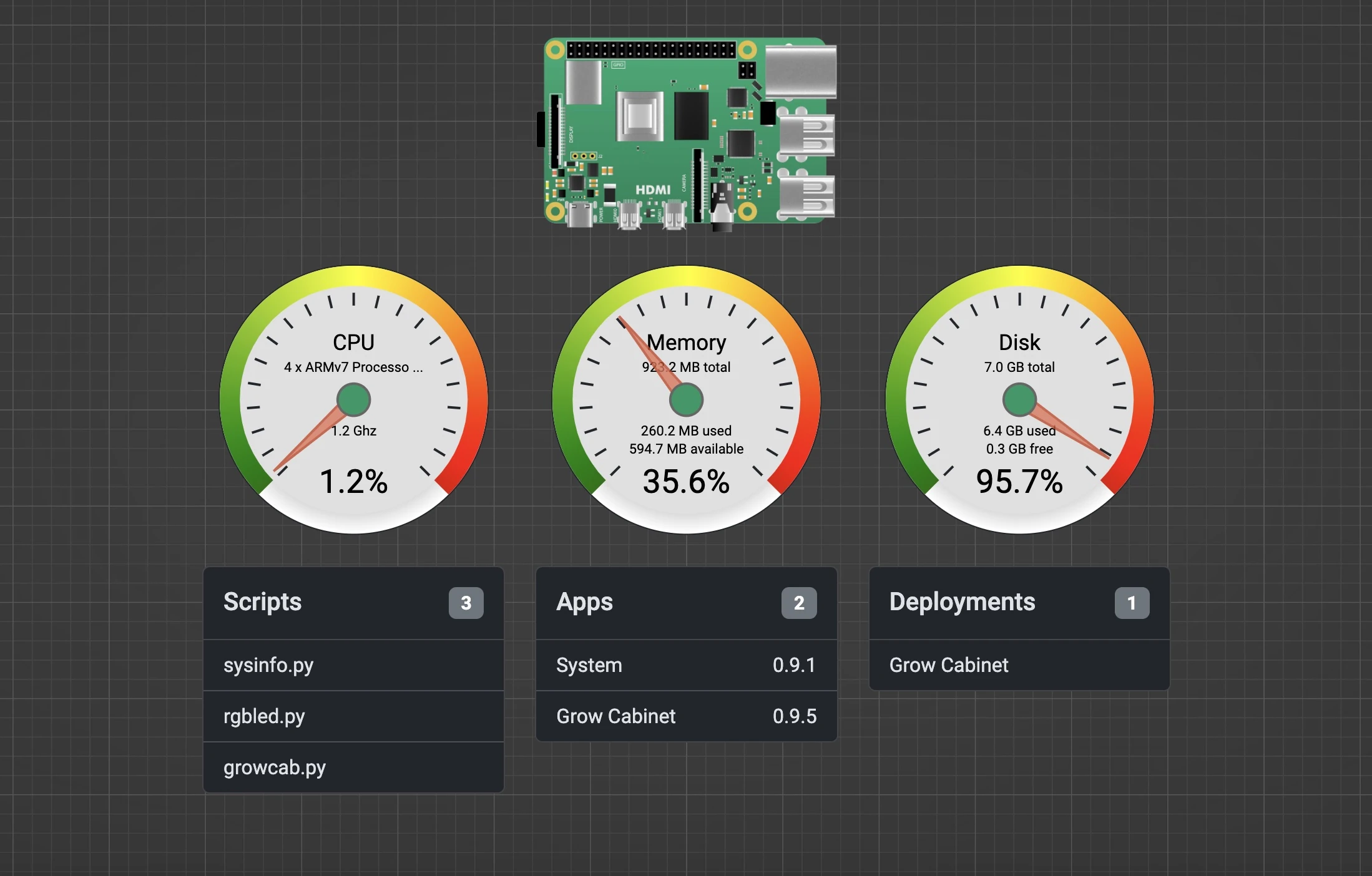
Unnecessary features, screens and complexity are treated as waste.
Systems are designed to be readable, calm and self-explanatory.
Software-Defined Longevity
Hardware longevity is enabled by software-defined behavior.

Through FeatureCloud, devices gain new functionality without modification.
This prevents hardware obsolescence.
Designed for Repair, Not Replacement
Repair is a primary operation, not a fallback.

Devices are built to be opened using standard tools.
Faults are isolated to individual modules.
Why Zero-Waste Electronics Matters
Electronic systems are becoming permanent infrastructure.

Disposable design does not scale.
Zero-waste electronics enable sustainable, resilient and adaptable systems.